







Mushroom farming has rapidly evolved from a small household activity into a growing commercial agribusiness in Nepal. With rising demand in urban markets, hotels, and health-conscious consumers, mushrooms are now considered one of the most promising agricultural products in the country.
In recent years, Nepal has seen steady growth in production, consumption, and small-scale entrepreneurship in the mushroom sector.

Growing Industry in Nepal
Mushroom production in Nepal is no longer limited to a few farmers. It has become a nationwide agricultural activity involving thousands of growers.
- Around 35,000 farmers are directly involved in mushroom production in Nepal
- Annual production is estimated at tens of thousands of tons
- The industry generates approximately Rs. 20 billion turnover annually
- Nepal is gradually becoming self-sufficient in mushroom supply in many urban markets
This growth shows that mushrooms are no longer a niche product but a stable agribusiness sector.
Market Demand and Consumption Trend

Demand for mushrooms in Nepal is increasing mainly due to:
- Rising health awareness and shift toward low-fat diets
- Expansion of hotels, restaurants, and cafés in cities
- Increased use in fast food, soups, and vegetarian dishes
- Growing preference for organic vegetables
Urban areas like Kathmandu Valley, Pokhara, and Chitwan are the biggest consumption hubs. Studies also show that consumer willingness to pay for organic mushrooms is increasing, especially among middle-class urban buyers
Dominant Mushroom Types in Nepal
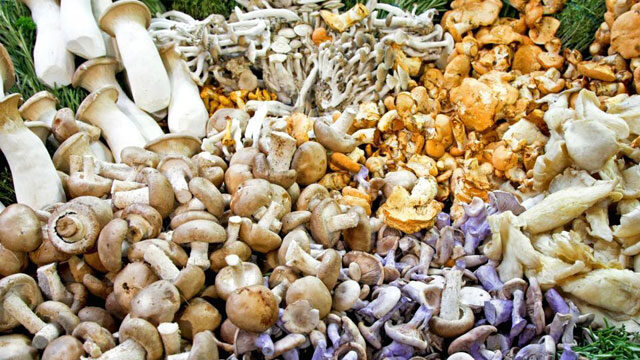
Nepal’s mushroom industry is mainly focused on a few key varieties:
Oyster Mushroom (Kanya Chyau)
- Most widely produced (major share of market)
- Low-cost production and fast growth cycle
- Strong demand in local vegetable markets
Button Mushroom
- High demand in hotels and supermarkets
- Requires controlled environment and higher investment
Shiitake Mushroom
- Premium mushroom with higher market value
- Still limited production but growing slowly
Oyster mushrooms dominate production in Nepal, accounting for the majority of commercial farming activity due to low risk and easy cultivation conditions
Business Structure in Nepal
The mushroom industry in Nepal is mostly:
- Small-scale household farms
- Semi-commercial rural producers
- A few modern commercial units in urban areas
Many farmers operate from small rooms or sheds rather than large agricultural land, making it a flexible business for low-income households and young entrepreneurs.
Price and Profit Trends
Mushroom prices in Nepal vary based on season, type, and location:
- Oyster mushroom: commonly sold around Rs. 250–400 per kg in retail markets
- Button mushroom: generally higher priced due to production cost
- Profit margins can be attractive because production cost is relatively low compared to selling price
However, profitability depends heavily on:
- Hygiene and contamination control
- Market access
- Consistent production cycles
Key Challenges in the Sector
Despite growth, the mushroom business in Nepal faces several issues:
- Lack of technical knowledge among beginners
- Contamination and quality control problems
- Short shelf life and storage limitations
- Fluctuating market prices in local markets
- Limited cold chain and distribution systems
These challenges often limit scalability for small farmers.
Government and Institutional Support
The Government of Nepal and agricultural organizations have been supporting mushroom farming through:
- Training programs for farmers
- Research on spawn development and improved varieties
- Promotion of commercial farming in rural areas
- Awareness campaigns on mushroom consumption
Organizations like agricultural research bodies and spawn production centers are also contributing to improving quality and productivity in the sector
Future Outlook
:max_bytes(150000):strip_icc():format(webp)/159120330-569feec15f9b58eba4adfbf3.jpg)
The future of mushroom business in Nepal looks promising due to:
- Rising demand in urban food markets
- Expansion of organic and health-focused diets
- Growth of small agribusiness startups
- Increasing interest among youth entrepreneurs
With proper training, better supply chains, and improved farming practices, mushroom cultivation is expected to become one of the strong agro-industries in Nepal.